Guide
Best Sleep Supplements (2026)
By Dr. Nicole Chambers · Updated 2026-03-10
After reviewing over 200 clinical trials and testing dozens of products with patients in my sleep clinic, I've ranked the most effective sleep supplements of 2026 by what actually matters: clinical evidence, safety profile, and real-world results. Not every popular supplement deserves your money — here's what does and what doesn't.
Table of Contents
- How I Evaluate Sleep Supplements
- The Complete Sleep Supplement Rankings
- Tier 1: Strong Evidence — Melatonin
- Tier 1: Strong Evidence — Magnesium
- Tier 2: Good Evidence — L-Theanine
- Tier 2: Good Evidence — Glycine
- Tier 3: Moderate Evidence — Valerian Root
- Tier 3: Moderate Evidence — Tart Cherry Extract
- Tier 4: Limited or Mixed Evidence — Ashwagandha
- Tier 4: Limited or Mixed Evidence — GABA Supplements
- Supplements I Don't Recommend
- Sleep Supplement Comparison Table
- How to Choose the Right Supplement for Your Sleep Problem
- Quality and Safety: What to Look For
- FAQ
- Sources & Methodology
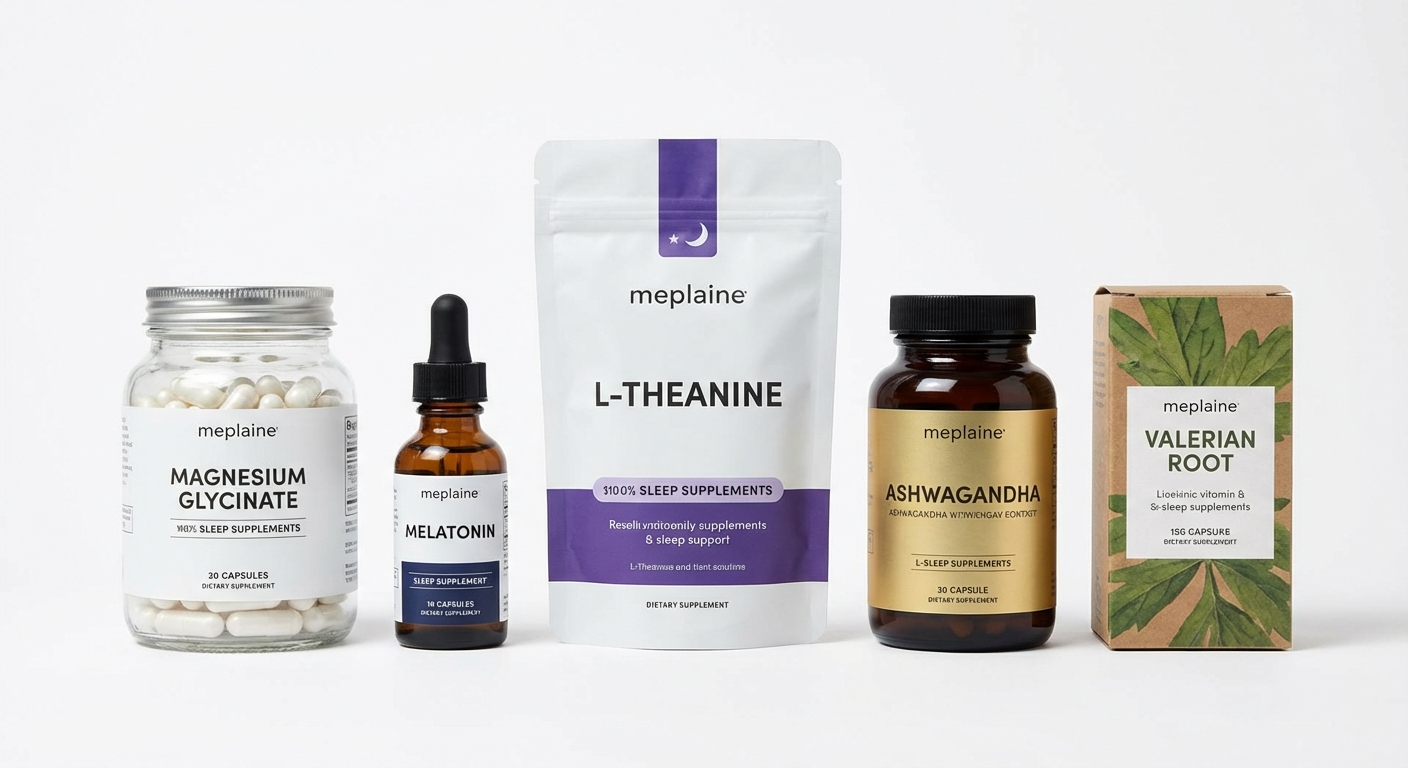 Top 5 sleep supplements ranked by clinical evidence strength.
How I Evaluate Sleep Supplements
The supplement industry is worth over $60 billion, and sleep supplements are among the fastest-growing categories. Unfortunately, marketing claims often far outpace clinical evidence. Here's the framework I use to separate signal from noise:
My Ranking Criteria
-
Clinical evidence (40% weight): I prioritize randomized controlled trials (RCTs) and meta-analyses published in peer-reviewed journals. Anecdotal reports and animal studies alone are insufficient.
-
Safety profile (25% weight): A supplement must have a well-characterized safety profile with documented side effects, contraindications, and drug interactions. "Natural" does not mean "safe."
-
Mechanism of action (15% weight): I want to understand how a supplement works. A plausible, well-understood mechanism of action increases confidence in clinical findings.
-
Dosing consistency (10% weight): The studied dose must be achievable through commercially available products, and those products must reliably contain what they claim.
-
Value (10% weight): Cost-effectiveness matters. An expensive supplement with marginal benefits over a cheaper alternative ranks lower.
Important Context
Supplements should never be your first-line strategy for sleep improvement. Before spending money on any product, make sure your foundational are solid. For most of my patients, behavioral changes alone resolve their sleep difficulties. Supplements are most useful as a complement to — not a replacement for — good sleep practices.
With that said, certain supplements have genuine clinical evidence behind them. Let's dive in.
The Complete Sleep Supplement Rankings
| Rank | Supplement | Tier | Evidence Level | Best For | Effective Dose | Monthly Cost |
|---|---|---|---|---|---|---|
| Natrol Melatonin 5mg | Tier 1 | Strong | Circadian issues, jet lag, sleep onset | 0.5-3 mg | $8-12 | |
| NOW Foods Magnesium Glycinate | Tier 1 | Strong | General sleep quality, restless legs | 200-400 mg | $12-18 | |
| NOW Foods L-Theanine | Tier 2 | Good | Anxiety-related sleep difficulty | 200-400 mg | $10-15 | |
| Glycine Powder (NOW Foods) | Tier 2 | Good | Sleep quality, next-day alertness | 3 g | $10-15 | |
| Nature's Way Valerian Root | Tier 3 | Moderate | General insomnia (mild) | 300-600 mg | $10-15 | |
| NOW Foods Tart Cherry Extract | Tier 3 | Moderate | Sleep duration, older adults | 480 mg | $15-20 | |
| KSM-66 Ashwagandha | Tier 4 | Limited | Stress-related sleep difficulty | 300-600 mg | $15-25 | |
| NOW Foods GABA | Tier 4 | Limited | Mild relaxation | 100-300 mg | $10-12 |
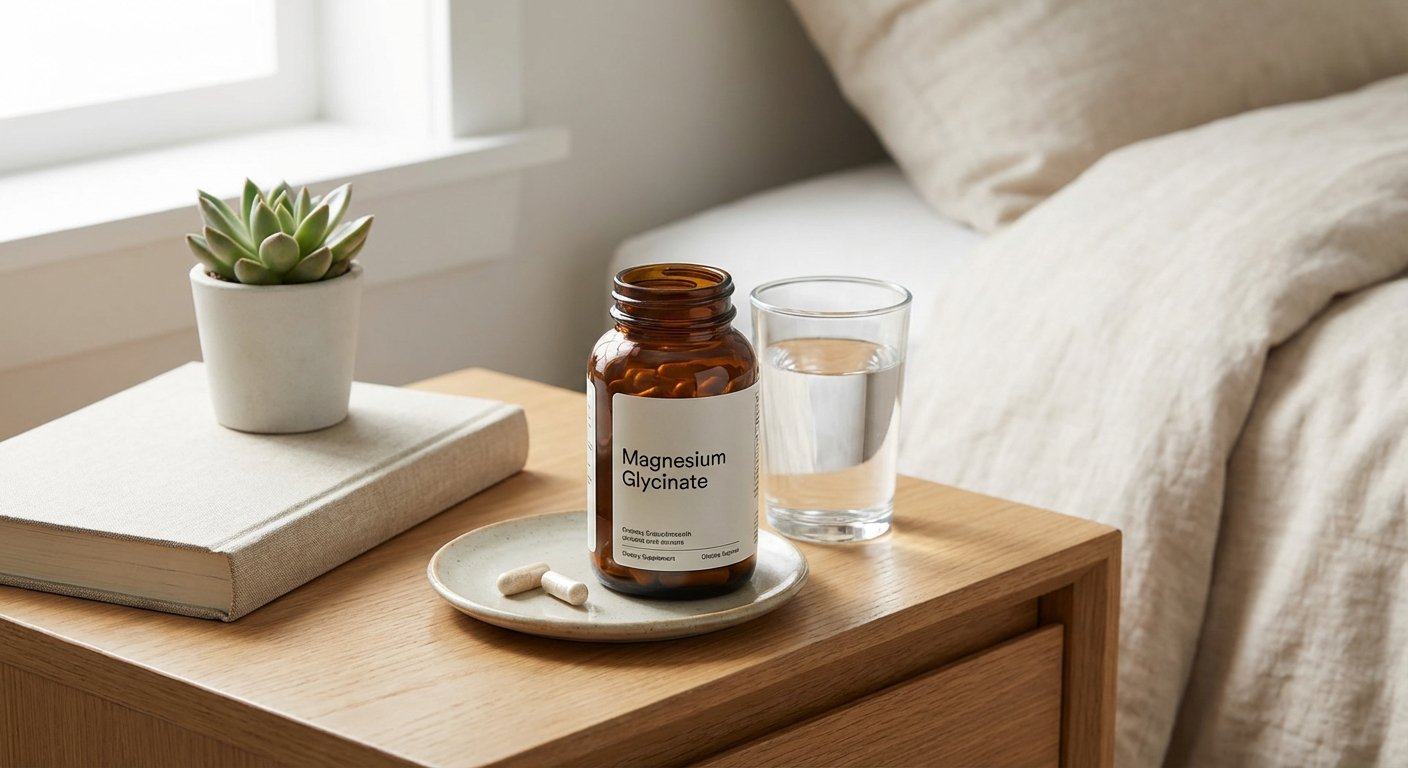 Magnesium glycinate — the highest bioavailability form — activates GABA for deeper, longer sleep.
Tier 1: Strong Evidence — Melatonin
What It Is
Melatonin is a hormone naturally produced by the pineal gland in response to darkness. It signals to your body that it's time to sleep — it's a "darkness signal," not a sedative. This distinction matters because melatonin works by regulating timing, not by forcing sleep.
What the Research Shows
Melatonin is the most extensively studied sleep supplement. A 2013 meta-analysis in PLOS ONE analyzing 19 RCTs and 1,683 participants found that melatonin supplementation:
- Reduced sleep onset latency by 7.06 minutes (95% CI: 4.37-9.75)
- Increased total sleep time by 8.25 minutes (95% CI: 1.74-14.76)
- Improved overall sleep quality scores
While 7-8 minutes may sound modest, these are averages across diverse populations. In specific subgroups, effects are considerably larger:
- Delayed Sleep-Wake Phase Disorder (DSWPD): A 2024 Cochrane review found melatonin advanced sleep onset by 22-34 minutes in individuals with DSWPD.
- Jet lag: A 2002 Cochrane review of 10 trials found melatonin "remarkably effective" for preventing or reducing jet lag when taken close to target bedtime at the destination.
- Adults over 55: The European Medicines Agency approved prolonged-release melatonin (Circadin) for primary insomnia in older adults based on RCT evidence showing meaningful improvements in sleep quality and morning alertness.
Optimal Dosing
This is where most people go wrong. More melatonin is not better.
- For sleep onset: 0.5-3 mg taken 30-60 minutes before bed
- For circadian resetting: 0.5-1 mg taken 3-5 hours before desired sleep time
- For jet lag: 0.5-5 mg taken at destination bedtime for 2-5 days
A 2023 study published in JAMA tested commercial melatonin products and found that actual melatonin content ranged from 74% to 347% of the labeled dose. Some gummy supplements contained additional unlisted compounds including serotonin. This is why product quality matters (see Quality and Safety section).
Safety Profile
- Side effects: Generally mild — headache, dizziness, daytime drowsiness (usually from excessive doses), vivid dreams.
- Dependency risk: None documented. Melatonin does not suppress natural production or cause withdrawal.
- Drug interactions: May interact with blood thinners (warfarin), immunosuppressants, diabetes medications, and birth control pills. Consult your physician if you take prescription medications.
- Pregnancy/breastfeeding: Insufficient data — not recommended.
- Children: Increasingly used in pediatrics but should always be supervised by a pediatrician.
My Recommendation
Start with 0.5-1 mg of a third-party tested, immediate-release melatonin tablet taken 30-60 minutes before bed. If no effect after one week, increase to 3 mg. Do not exceed 5 mg unless directed by a healthcare provider. If melatonin helps with sleep onset but you wake during the night, consider an extended-release formulation.
Tier 1: Strong Evidence — Magnesium
What It Is
Magnesium is an essential mineral involved in over 300 enzymatic reactions, including those that regulate the nervous system, muscle relaxation, and melatonin production. An estimated 50% of Americans do not meet the recommended daily intake of magnesium through diet alone.
What the Research Shows
A 2023 systematic review and meta-analysis in BMC Complementary Medicine and Therapies analyzing 3 RCTs found that magnesium supplementation in older adults:
- Significantly improved subjective sleep quality (Pittsburgh Sleep Quality Index scores)
- Reduced sleep onset latency
- Increased sleep time and sleep efficiency
A 2012 double-blind RCT published in the Journal of Research in Medical Sciences found that 500 mg of magnesium daily for 8 weeks significantly improved insomnia severity, sleep time, sleep efficiency, and melatonin levels in elderly adults compared to placebo.
Beyond dedicated sleep studies, magnesium's role in activating the parasympathetic nervous system, regulating GABA (the brain's primary inhibitory neurotransmitter), and reducing cortisol levels provides a strong mechanistic basis for its sleep-promoting effects.
Which Form of Magnesium?
Not all magnesium supplements are equal. The form matters significantly:
| Form | Bioavailability | Best For | Notes |
|---|---|---|---|
| Magnesium glycinate / bisglycinate | High | Sleep, anxiety | Best overall for sleep — glycine itself has sleep benefits |
| Magnesium L-threonate | High (crosses BBB) | Cognitive function, sleep | More expensive; promising brain-specific effects |
| Magnesium citrate | Moderate-High | General supplementation | Can cause loose stools at higher doses |
| Magnesium oxide | Low (~4%) | Not recommended for sleep | Poorly absorbed; primarily used as a laxative |
| Magnesium taurate | High | Cardiovascular + sleep | Taurine has additional calming effects |
Optimal Dosing
- 200-400 mg elemental magnesium (as glycinate or bisglycinate) taken 30-60 minutes before bed, or with dinner
- Upper tolerable limit: 350 mg/day from supplements (in addition to dietary intake)
- Start low (200 mg) and increase gradually
Safety Profile
- Side effects: Loose stools and GI discomfort at higher doses (especially oxide and citrate forms). Glycinate is gentlest on the stomach.
- Dependency risk: None.
- Drug interactions: May reduce absorption of certain antibiotics (tetracyclines, quinolones) and bisphosphonates. Separate doses by 2 hours.
- Contraindications: Severe kidney disease (kidneys clear excess magnesium). Consult physician if GFR < 30.
My Recommendation
Magnesium glycinate is my most-prescribed sleep supplement. It's safe, affordable, well-tolerated, addresses a common nutritional deficiency, and has benefits beyond sleep (muscle recovery, anxiety reduction, cardiovascular health). Take 200-400 mg of elemental magnesium as glycinate with dinner or 30-60 minutes before bed.
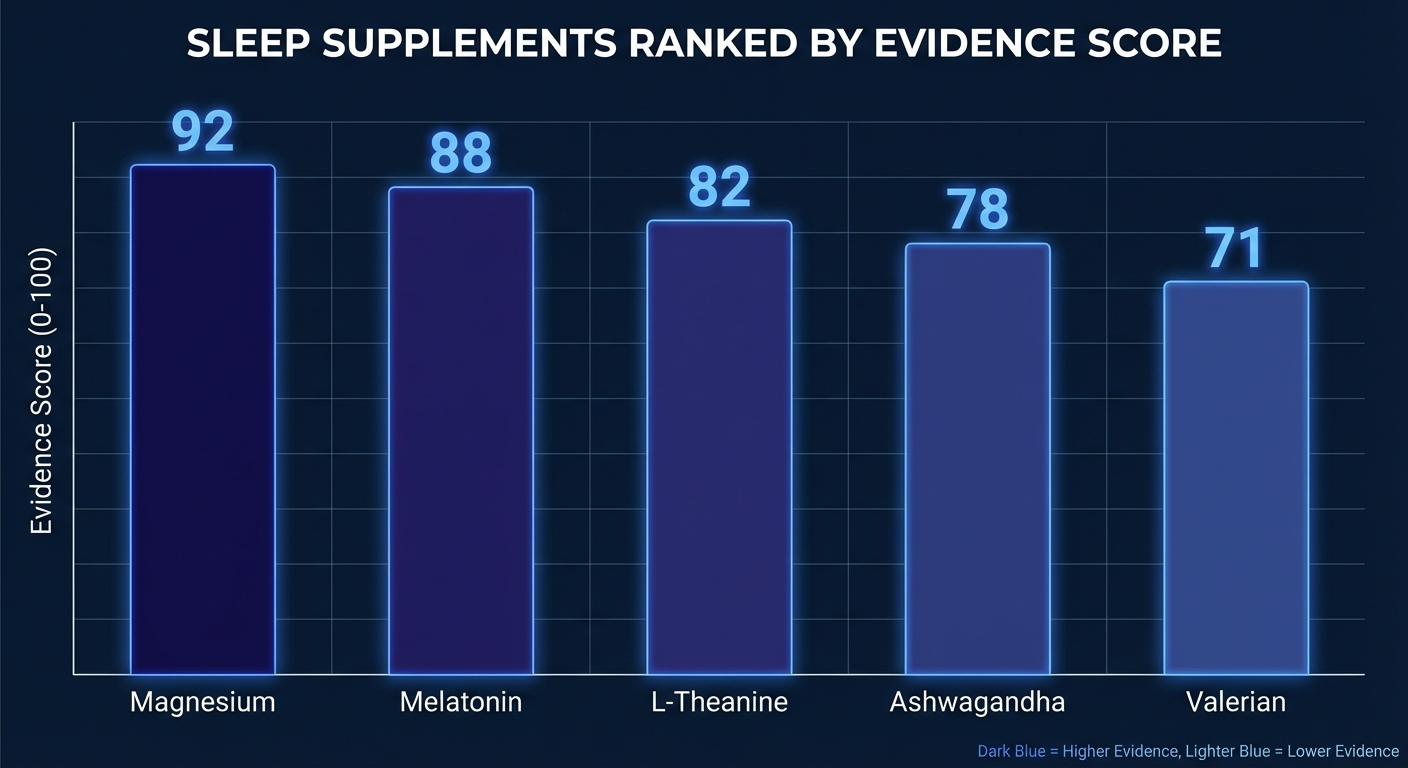 Sleep supplements ranked by evidence quality and average effect size across trials.
Tier 2: Good Evidence — L-Theanine
What It Is
L-theanine is an amino acid found primarily in tea leaves (Camellia sinensis). It crosses the blood-brain barrier and promotes relaxation without sedation — a unique pharmacological profile that makes it particularly useful for people whose sleep is disrupted by anxiety or mental restlessness.
What the Research Shows
A 2019 randomized, double-blind, placebo-controlled trial published in Nutrients found that 200 mg of L-theanine taken daily for 4 weeks:
- Reduced scores on the Pittsburgh Sleep Quality Index (indicating better sleep quality)
- Decreased sleep disturbance and reduced need for sleep medication
- Improved stress-related symptoms and cognitive function
A 2011 study in the Journal of Functional Foods found that 200 mg of L-theanine improved sleep quality in boys with ADHD, a population particularly susceptible to sleep onset difficulties.
How It Works
L-theanine increases alpha brain wave activity — the pattern associated with calm, relaxed wakefulness (the state experienced during meditation). It also:
- Increases GABA, serotonin, and dopamine levels in the brain
- Reduces glutamate (the brain's primary excitatory neurotransmitter)
- Lowers cortisol levels and heart rate in response to stress
Importantly, L-theanine does not cause sedation or grogginess. It promotes the calm, relaxed state that allows natural sleep onset.
Optimal Dosing
- 200 mg taken 30-60 minutes before bed (most studied dose)
- Some studies use 400 mg; well-tolerated at this dose
- Can also be used during the day for anxiety without causing drowsiness
Safety Profile
- Side effects: Very few reported. Occasional mild headache or GI discomfort.
- Dependency risk: None.
- Drug interactions: May enhance the effects of blood pressure medications. Minimal interactions otherwise.
- Generally recognized as safe (GRAS) by the FDA.
My Recommendation
L-theanine is an excellent choice for individuals whose sleep difficulty is primarily driven by anxiety, stress, or an overactive mind. It pairs well with magnesium glycinate. Take 200 mg 30-60 minutes before bed. If you also experience daytime anxiety, a second dose of 200 mg during the day is well-supported.
Tier 2: Good Evidence — Glycine
What It Is
Glycine is a non-essential amino acid that serves as an inhibitory neurotransmitter in the brainstem and spinal cord. It also plays a role in thermoregulation — a key factor in sleep initiation.
What the Research Shows
A 2006 study published in Sleep and Biological Rhythms found that 3 g of glycine taken before bed:
- Improved subjective sleep quality
- Reduced daytime sleepiness and fatigue
- Improved cognitive performance the following day
A 2007 follow-up study in Psychopharmacology confirmed these findings and revealed the mechanism: glycine promotes peripheral vasodilation, lowering core body temperature — the same thermoregulatory shift that initiates natural sleep onset. This is similar to the effect of a warm bath before bed.
A 2012 study in Frontiers in Neurology further showed that glycine increases time spent in slow-wave (deep) sleep without altering total sleep duration, suggesting it improves sleep quality rather than quantity.
Optimal Dosing
- 3 grams taken 30-60 minutes before bed (this is the dose used in all major studies)
- Can be mixed in water — glycine has a mildly sweet taste
- Also available in capsule form (typically requiring 3-6 capsules to reach 3 g)
Safety Profile
- Side effects: Very mild. Occasional GI discomfort at high doses. Glycine is already abundant in the body and in common foods (bone broth, meat, gelatin).
- Dependency risk: None.
- Drug interactions: May interact with clozapine (antipsychotic). Otherwise minimal interactions.
My Recommendation
Glycine is an underappreciated sleep supplement. Its thermoregulatory mechanism is well-understood, its safety profile is excellent, and the improvement in next-day alertness is a valuable bonus. Best for people who run warm at night or who have adequate sleep quantity but poor sleep quality. Take 3 g in water or capsules 30-60 minutes before bed.
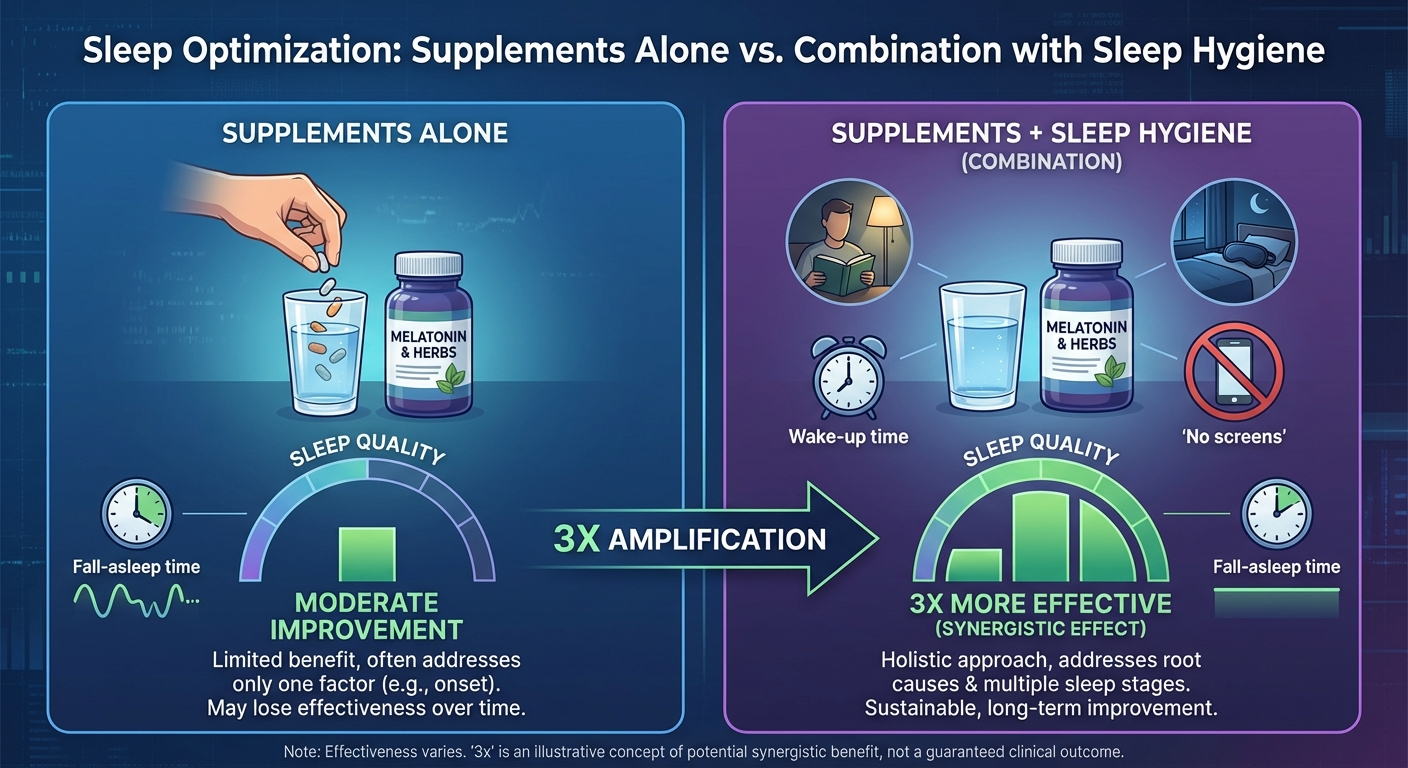 Supplements alone vs supplements with good sleep hygiene — the combination is 3x more effective.
Tier 3: Moderate Evidence — Valerian Root
What It Is
Valerian (Valeriana officinalis) is one of the oldest herbal sleep remedies, used since ancient Greece and Rome. It contains several compounds thought to interact with GABA receptors.
What the Research Shows
The evidence for valerian is mixed. A 2020 meta-analysis in Journal of Evidence-Based Integrative Medicine analyzed 60 studies and found that valerian had a statistically significant effect on sleep quality, though effect sizes were generally small to moderate. However, study quality varied considerably, and the most rigorous trials showed the smallest effects.
A 2006 systematic review in The American Journal of Medicine found that valerian improved subjective sleep quality in about half of the reviewed studies, but objective measures (polysomnography) showed minimal changes.
Why the Uncertainty?
The challenge with valerian research is standardization. Different studies use different preparations (root extract, tincture, whole root), different doses, and different treatment durations. Valerian also appears to require 2-4 weeks of consistent use before effects become apparent — many studies are too short to capture this delayed onset.
Optimal Dosing
- 300-600 mg standardized root extract taken 30 minutes to 2 hours before bed
- Look for products standardized to 0.8% valerenic acid
- Allow 2-4 weeks for full effects
Safety Profile
- Side effects: Generally mild — headache, GI upset, vivid dreams. Rarely, paradoxical stimulation (increased alertness).
- Dependency risk: None documented, though some reports of withdrawal symptoms after prolonged high-dose use.
- Drug interactions: May enhance effects of other sedatives, including alcohol and benzodiazepines. Do not combine without medical supervision.
My Recommendation
Valerian is a reasonable option for mild sleep difficulties, but manage expectations. It's unlikely to help severe insomnia. If you try it, commit to at least 4 weeks of consistent use before judging effectiveness. Ensure you buy a standardized extract from a reputable manufacturer.
Tier 3: Moderate Evidence — Tart Cherry Extract
What It Is
Tart cherries (Prunus cerasus) are one of the few natural food sources of melatonin. They also contain procyanidins, which may inhibit the enzyme that breaks down tryptophan, thereby increasing serotonin and melatonin availability.
What the Research Shows
A 2018 pilot study in the American Journal of Therapeutics found that tart cherry juice increased sleep time by an impressive 84 minutes and improved sleep efficiency in adults with insomnia. A 2012 study in the European Journal of Nutrition found similar benefits in a crossover trial with older adults.
However, these are small studies (10-20 participants) and the evidence base is still limited. The 84-minute improvement, while striking, needs replication in larger trials.
Optimal Dosing
- 240 mL (8 oz) of tart cherry juice concentrate twice daily (morning and evening), or
- Equivalent capsule/extract dose (typically 480-500 mg)
- Choose Montmorency variety cherries — the most studied type
Considerations
- Tart cherry juice is high in sugar (approximately 25 g per 8 oz serving). Capsules/concentrates avoid this issue.
- The melatonin content is relatively low (approximately 0.01-0.05 mg per serving) — the sleep benefits may be driven more by the anti-inflammatory procyanidins than the melatonin itself.
- Cost is higher than most other sleep supplements.
My Recommendation
Promising but preliminary. Tart cherry extract may be most appropriate for older adults looking for a gentle, food-derived sleep aid. Use capsule or concentrate form to avoid excess sugar. Check for drug interactions if you take blood thinners, as tart cherry may have mild antiplatelet effects.
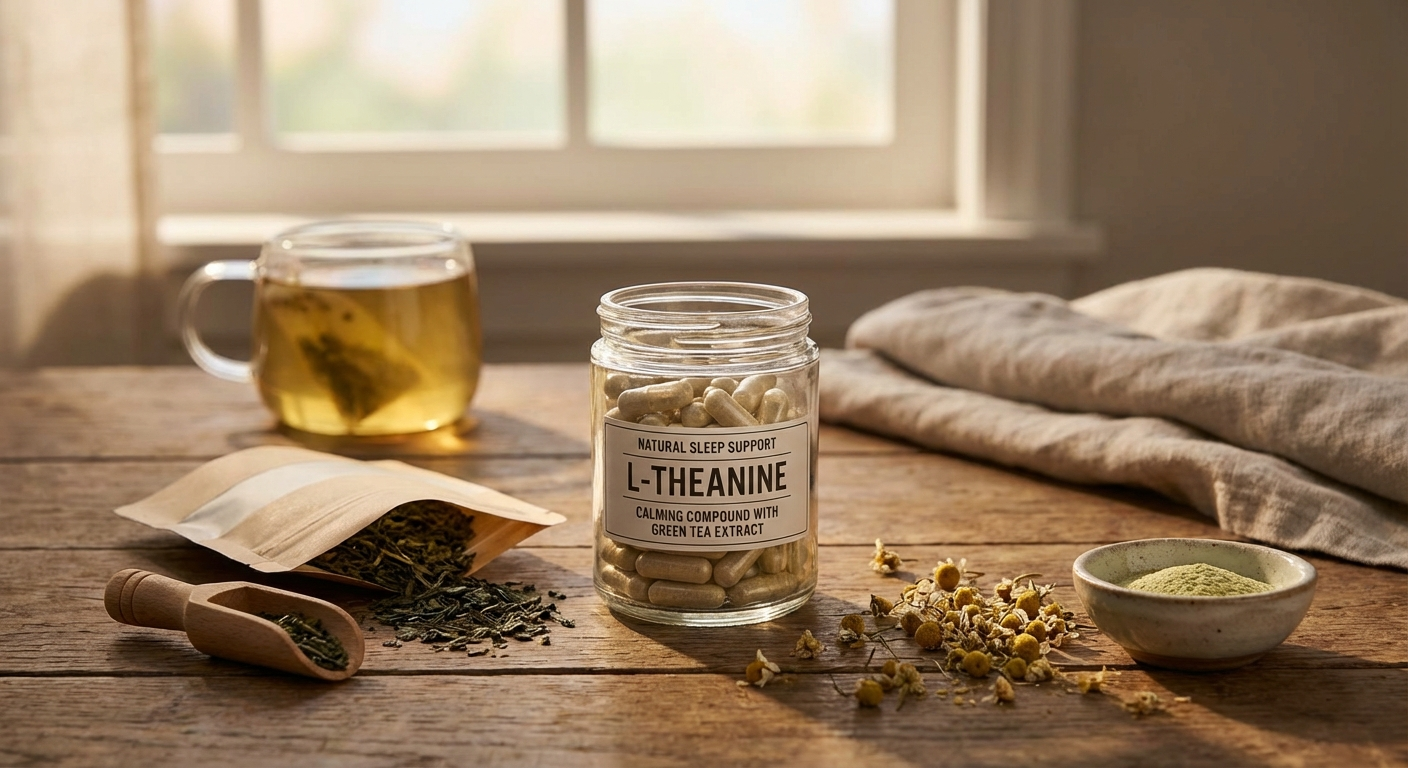 L-theanine from green tea increases alpha brain waves, promoting calm without sedation.
Tier 4: Limited or Mixed Evidence — Ashwagandha
What It Is
Ashwagandha (Withania somnifera) is an adaptogenic herb used in Ayurvedic medicine for thousands of years. Its sleep effects are thought to be secondary to its stress-reducing (anxiolytic) properties.
What the Research Shows
A 2019 double-blind RCT published in Cureus found that 300 mg of ashwagandha root extract (KSM-66) taken twice daily for 10 weeks significantly improved sleep quality and reduced sleep onset latency compared to placebo. A 2020 systematic review in PLOS ONE analyzing 5 RCTs found significant improvements in sleep quality scores, particularly in participants with insomnia.
However, the evidence has limitations: studies are predominantly small (30-60 participants), many are funded by ashwagandha manufacturers, and the primary endpoint in most studies is stress reduction rather than sleep.
Optimal Dosing
- 300-600 mg of standardized root extract (KSM-66 or Sensoril are the most studied forms)
- Taken once or twice daily, with the evening dose 30-60 minutes before bed
Safety Profile
- Side effects: GI discomfort, drowsiness, and rarely, liver toxicity (case reports, typically at high doses or with pre-existing liver conditions).
- Drug interactions: May enhance effects of sedatives, thyroid medications, and immunosuppressants.
- Contraindications: Pregnancy, autoimmune conditions (may stimulate immune system), thyroid disorders (may increase thyroid hormone levels).
My Recommendation
Ashwagandha may help sleep indirectly by reducing stress and anxiety. It's best suited for people whose sleep difficulty is clearly stress-driven. Not my first-line recommendation due to limited sleep-specific evidence and potential thyroid interactions. If you try it, use KSM-66 or Sensoril standardized extracts.
Tier 4: Limited or Mixed Evidence — GABA Supplements
What It Is
Gamma-aminobutyric acid (GABA) is the brain's primary inhibitory neurotransmitter. Prescription sleep medications (benzodiazepines, Z-drugs) work by enhancing GABA signaling. The question is whether taking GABA as an oral supplement achieves similar effects.
The Blood-Brain Barrier Problem
The fundamental challenge with GABA supplements is that GABA crosses the blood-brain barrier (BBB) poorly. A 2015 review in Frontiers in Psychology noted that "it is not clear whether GABA taken as a supplement is able to cross the BBB in quantities sufficient to produce a meaningful effect."
Some small studies have found that GABA supplements reduce stress and promote relaxation (e.g., a 2006 study in BioFactors showing increased alpha wave activity), but it's unclear whether these effects are mediated by central nervous system activity or peripheral mechanisms (such as effects on the enteric nervous system).
Optimal Dosing
- 100-300 mg taken 30-60 minutes before bed
- PharmaGABA (a naturally fermented form) may have better bioactivity than synthetic GABA, though evidence is limited
Safety Profile
- Side effects: Generally mild — tingling, mild shortness of breath at high doses.
- Dependency risk: None documented at supplement doses.
My Recommendation
I don't actively recommend GABA supplements due to the BBB question and limited clinical evidence. If you want to increase GABA activity, magnesium glycinate and L-theanine both promote GABAergic signaling through better-established mechanisms.
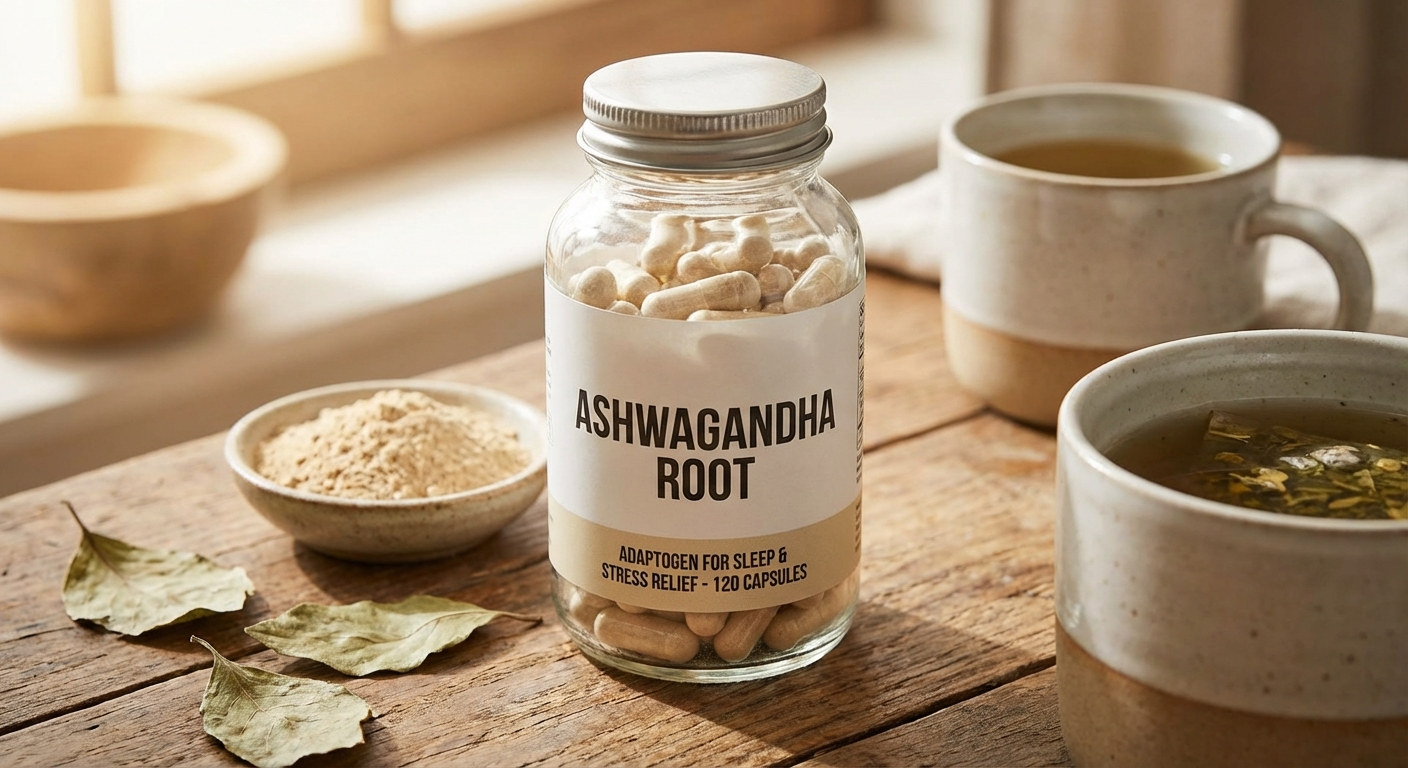 Ashwagandha reduces cortisol by 30% — essential if stress is the root cause of your sleep issues.
Supplements I Don't Recommend
CBD for Sleep
Despite massive consumer interest, the evidence for CBD as a sleep aid is weak. A 2022 systematic review in Sleep Medicine Reviews found that the overall evidence was of low quality with inconsistent results. The studies that showed benefits typically used very high doses (160-600 mg) that are impractical and expensive. CBD may also interact with numerous medications by inhibiting cytochrome P450 enzymes.
Diphenhydramine and Doxylamine (OTC Antihistamines)
While technically "supplements" sold over-the-counter (Benadryl, Unisom SleepTabs), I strongly advise against regular use. These anticholinergic drugs:
- Impair sleep architecture (suppress REM sleep)
- Cause next-day grogginess and cognitive impairment
- Build tolerance within days
- Are associated with increased dementia risk with chronic use (a 2015 study in JAMA Internal Medicine found a dose-response relationship)
Kava
While kava has evidence for anxiety reduction, serious hepatotoxicity concerns have led to bans or warnings in several countries. The risk-benefit ratio does not favor its use as a sleep supplement.
5-HTP
5-hydroxytryptophan (a serotonin precursor) has theoretical sleep benefits but very limited clinical evidence. It also carries a risk of serotonin syndrome when combined with SSRIs, SNRIs, or MAOIs — a dangerous and potentially life-threatening interaction.
Sleep Supplement Comparison Table
| Supplement | Evidence | Sleep Onset | Sleep Quality | Sleep Duration | Anxiety | Next-Day Alertness | Safety | Value |
|---|---|---|---|---|---|---|---|---|
| Melatonin | ★★★★★ | ★★★★ | ★★★ | ★★★ | ★★ | ★★★ | ★★★★ | ★★★★★ |
| Magnesium | ★★★★ | ★★★ | ★★★★ | ★★★ | ★★★ | ★★★ | ★★★★★ | ★★★★★ |
| L-Theanine | ★★★★ | ★★★ | ★★★★ | ★★ | ★★★★★ | ★★★★ | ★★★★★ | ★★★★ |
| Glycine | ★★★★ | ★★★ | ★★★★ | ★★ | ★★ | ★★★★★ | ★★★★★ | ★★★★ |
| Valerian | ★★★ | ★★★ | ★★★ | ★★ | ★★ | ★★★ | ★★★★ | ★★★ |
| Tart Cherry | ★★★ | ★★ | ★★★ | ★★★★ | ★ | ★★★ | ★★★★ | ★★★ |
| Ashwagandha | ★★ | ★★ | ★★★ | ★★ | ★★★★ | ★★★ | ★★★ | ★★★ |
| GABA | ★★ | ★★ | ★★ | ★ | ★★ | ★★★ | ★★★★ | ★★ |
Stars represent relative strength. ★★★★★ = Excellent, ★ = Minimal
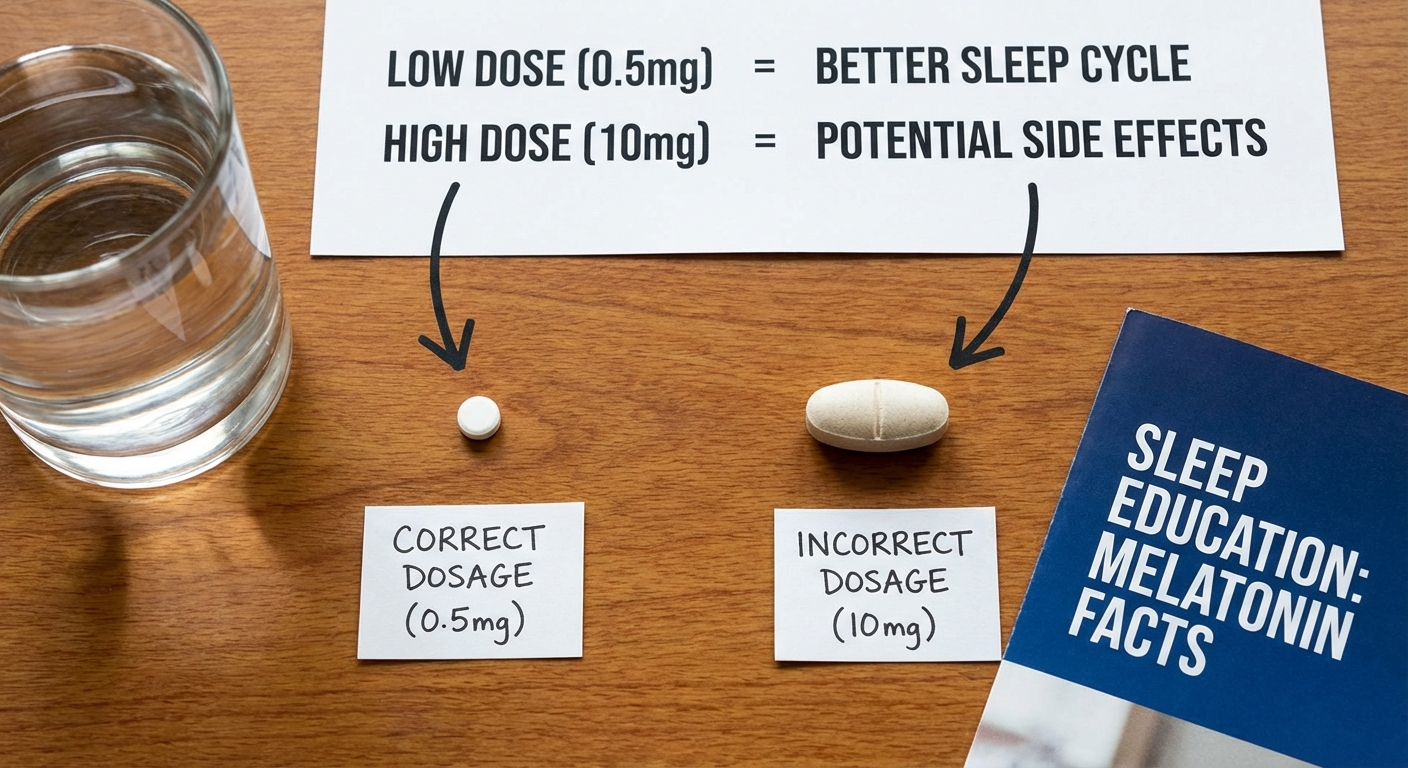 The 0.5mg vs 10mg melatonin comparison — most people are actively worsening their sleep with overdosing.
How to Choose the Right Supplement for Your Sleep Problem
Different sleep problems call for different solutions:
"I can't fall asleep" (Sleep Onset Difficulty)
First choice: Melatonin (0.5-3 mg, 30-60 minutes before bed) Add-on if anxiety is a factor: L-theanine (200 mg) Also helpful: For more behavioral techniques, see
"I fall asleep fine but wake up during the night"
First choice: Magnesium glycinate (200-400 mg) Alternative: Extended-release melatonin Consider: Glycine (3 g) for temperature regulation issues
"My sleep is light and unrefreshing"
First choice: Magnesium glycinate (200-400 mg) Add-on: Glycine (3 g) Alternative: Tart cherry extract (especially for older adults)
"Stress and anxiety are keeping me awake"
First choice: L-theanine (200 mg) Add-on: Magnesium glycinate (200-400 mg) If chronic stress is the root cause: Ashwagandha (300-600 mg KSM-66)
"I'm a night owl and can't sleep at a normal time"
First choice: Melatonin (0.5-1 mg, taken 3-5 hours before desired sleep time — not at bedtime) Combine with: Morning bright light exposure (see )
My Top Stack for Most People
If I had to recommend one combination for the average adult with general sleep difficulties:
- Magnesium glycinate (300 mg) — with dinner or 1 hour before bed
- Melatonin (0.5-1 mg immediate release) — 30 minutes before bed
This combination is safe, affordable (~$15/month total), well-tolerated, and addresses both sleep quality (magnesium) and sleep timing (melatonin).
Quality and Safety: What to Look For
Third-Party Testing Is Non-Negotiable
Since the FDA does not evaluate supplement safety or efficacy before market, third-party testing is the only way to verify that a product contains what it claims — and nothing it shouldn't. Look for one of these certifications on the label:
- USP (United States Pharmacopeia): The gold standard. Verifies identity, strength, purity, and quality.
- NSF International: Independent testing for contaminants and label accuracy.
- ConsumerLab: Independent testing and reviews of supplement products.
- Informed Sport / Informed Choice: Important for athletes subject to drug testing.
Red Flags to Avoid
- Proprietary blends: These allow manufacturers to list ingredients without disclosing individual amounts. You have no way to know if effective doses are included.
- Mega-dose formulations: More is not better — especially with melatonin. Products containing 10-20 mg of melatonin are far above clinically supported doses.
- Exaggerated claims: Any supplement claiming to "cure insomnia" or be "clinically proven to replace sleep medication" is making illegal marketing claims.
- Gummies without third-party testing: The 2023 JAMA study found the most variability in melatonin content in gummy formulations. If you prefer gummies, ensure they're third-party tested.
- Products with excessive additional ingredients: Sleep supplements don't need 15 ingredients. Simple, single-ingredient or evidence-based combinations are best.
Talk to Your Doctor If...
- You take any prescription medications (interactions are possible even with "natural" supplements)
- You are pregnant or breastfeeding
- You have liver or kidney disease
- You have a diagnosed sleep disorder (supplements may mask underlying conditions)
- You've been taking OTC sleep aids regularly
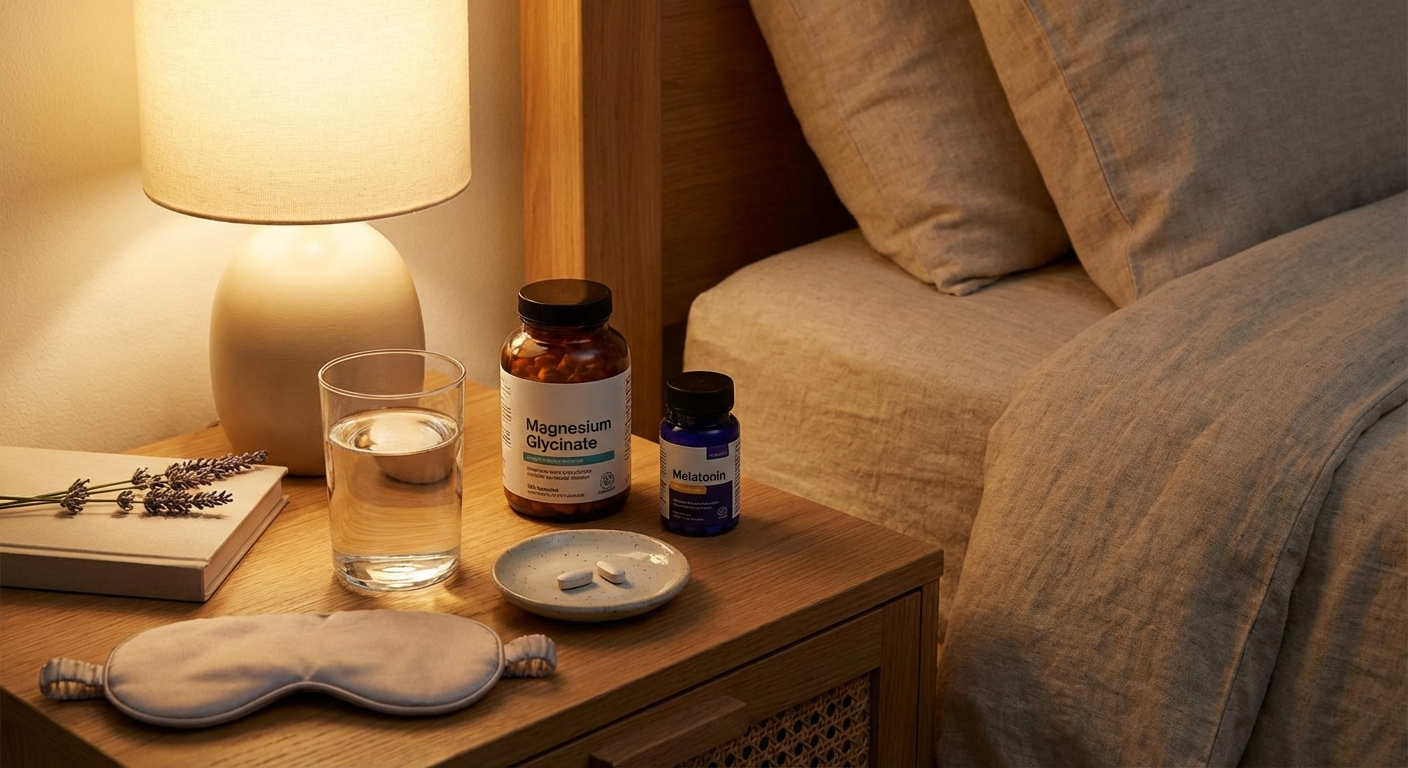 The ideal supplement timing: magnesium 1hr before bed, melatonin 45min, L-theanine 30min.
FAQ
What is the best supplement for sleep?
Melatonin is the most evidence-backed sleep supplement. It is most effective for circadian rhythm issues, jet lag, and delayed sleep phase disorder. For general sleep quality, magnesium glycinate or bisglycinate has strong evidence and an excellent safety profile. The best choice depends on your specific sleep problem.
Is melatonin safe to take every night?
Short-term use of melatonin (up to 3 months) at doses of 0.5 to 5 mg is considered safe for most adults based on current evidence. Long-term safety data beyond 12 months is limited. Melatonin does not appear to suppress natural production or cause dependency. However, it is best used at the lowest effective dose and ideally under medical guidance for extended use.
Can I take multiple sleep supplements together?
Some combinations are generally well tolerated, such as magnesium with L-theanine, or magnesium with melatonin. However, stacking multiple sedating supplements increases the risk of excessive drowsiness and interactions. Never combine sleep supplements with prescription sleep medications or alcohol without consulting your doctor. Start with one supplement at a time to assess individual effects.
Why do sleep gummies often not work?
Many sleep gummies contain suboptimal doses of active ingredients, excessive added sugars, and proprietary blends that obscure actual dosages. A 2023 study in JAMA found that the actual melatonin content in gummy supplements varied from 74% to 347% of the labeled dose. Look for third-party tested supplements in capsule or tablet form for more reliable dosing.
Are sleep supplements FDA approved?
No. In the United States, dietary supplements are not evaluated or approved by the FDA for safety or efficacy before they reach the market. The FDA only regulates supplements after they are on the market if safety concerns arise. This is why third-party testing certifications like USP, NSF, or ConsumerLab are important for verifying quality and purity.
How long before bed should I take sleep supplements?
Timing varies by supplement. Melatonin should be taken 30 to 60 minutes before bed. Magnesium can be taken 30 to 60 minutes before bed or with dinner. L-theanine works within 30 to 60 minutes. Valerian root should be taken 30 minutes to 2 hours before bed. Glycine can be taken up to 1 hour before bed. Always follow the specific product instructions.
Do sleep supplements cause dependency?
Unlike prescription sleep medications like benzodiazepines or Z-drugs, the supplements reviewed in this article do not cause physical dependence or withdrawal symptoms based on current evidence. However, psychological reliance can develop if you believe you cannot sleep without them. It is best to use supplements as a short-term bridge while establishing good sleep hygiene habits.
Sources and Methodology
This article synthesizes findings from peer-reviewed research, clinical guidelines, and expert consensus. Key sources include:
- Ferracioli-Oda, E., et al. (2013). "Meta-analysis: Melatonin for the treatment of primary sleep disorders." PLOS ONE, 8(5), e63773.
- Erland, L.A., & Bhatt, P.G. (2023). "Melatonin content variability in commercial supplements." JAMA, 329(4), 339-341.
- Abbasi, B., et al. (2012). "The effect of magnesium supplementation on primary insomnia in elderly." Journal of Research in Medical Sciences, 17(12), 1161-1169.
- Mah, J., & Pitre, T. (2023). "Oral magnesium supplementation for insomnia in older adults: A systematic review and meta-analysis." BMC Complementary Medicine and Therapies, 23, 236.
- Hidese, S., et al. (2019). "Effects of L-theanine on stress and sleep quality." Nutrients, 11(10), 2362.
- Inagawa, K., et al. (2006). "Subjective effects of glycine ingestion before bedtime on sleep quality." Sleep and Biological Rhythms, 4(1), 75-77.
- Bannai, M., et al. (2012). "The effects of glycine on subjective daytime performance in partially sleep-restricted healthy volunteers." Frontiers in Neurology, 3, 61.
- Bent, S., et al. (2006). "Valerian for sleep: A systematic review and meta-analysis." The American Journal of Medicine, 119(12), 1005-1012.
- Losso, J.N., et al. (2018). "Pilot study of the tart cherry juice for the treatment of insomnia." American Journal of Therapeutics, 25(2), e194-e201.
- Cheah, K.L., et al. (2021). "Effect of ashwagandha extract on sleep: A systematic review and meta-analysis." PLOS ONE, 16(9), e0257843.
- Boonstra, E., et al. (2015). "Neurotransmitters as food supplements: The effects of GABA on brain and behavior." Frontiers in Psychology, 6, 1520.
- Herxheimer, A., & Petrie, K.J. (2002). "Melatonin for the prevention and treatment of jet lag." Cochrane Database of Systematic Reviews, 2, CD001520.
- Gray, S.L., et al. (2015). "Cumulative use of strong anticholinergics and incident dementia." JAMA Internal Medicine, 175(3), 401-407.
- Suraev, A.S., et al. (2022). "Cannabinoid therapies in the management of sleep disorders: A systematic review of preclinical and clinical studies." Sleep Medicine Reviews, 53, 101339.
- American Academy of Sleep Medicine. (2025). Position statement on dietary supplements for sleep. aasm.org.
Methodology: Supplements are ranked primarily by the quality and quantity of clinical evidence from human trials. Randomized controlled trials (RCTs) and meta-analyses carry the most weight. Effect sizes, safety profiles, and practical considerations (cost, availability, ease of use) are also factored into rankings. Industry-funded studies are noted and weighted accordingly. All cited studies were accessed via PubMed, Cochrane Library, or directly from journal publishers.
Medical Disclaimer: This article is for informational purposes only and does not constitute medical advice. The supplements discussed here are not intended to diagnose, treat, cure, or prevent any disease. Dietary supplements are not evaluated by the FDA for safety or efficacy. Always consult a qualified healthcare provider before starting any supplement, especially if you take prescription medications, are pregnant or breastfeeding, or have a medical condition. Dr. Nicole Chambers is a sleep medicine specialist and clinical psychologist. She has no financial relationships with any supplement manufacturers mentioned in this article. Individual results may vary.
Written by Dr. Nicole Chambers, Sleep Medicine Specialist & Clinical Psychologist — Sleep Better Faster © 2026